
pillar three of four
Natural, Local, Community Movement
Getting the body back onto the street, the trail and the neighbourhood pitch.
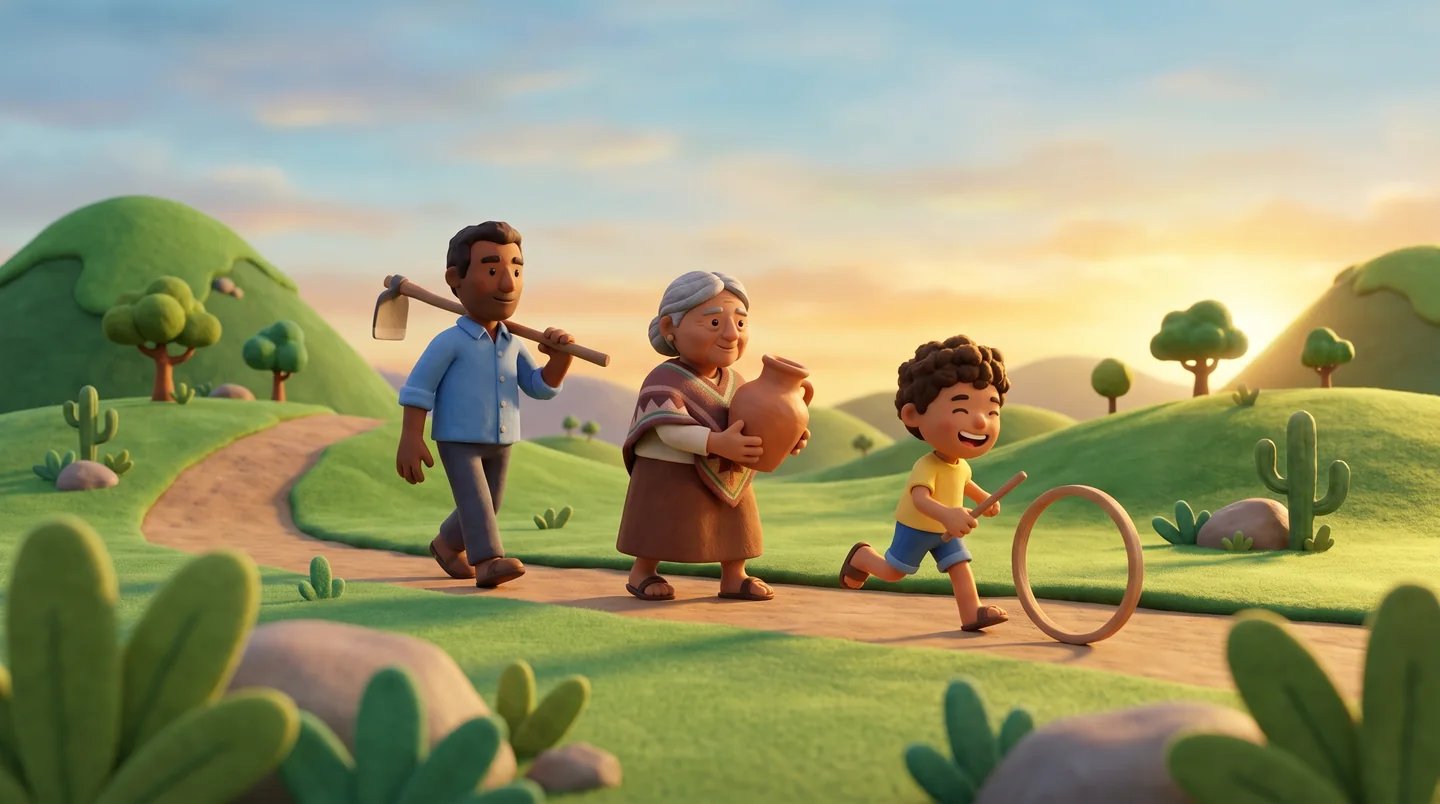
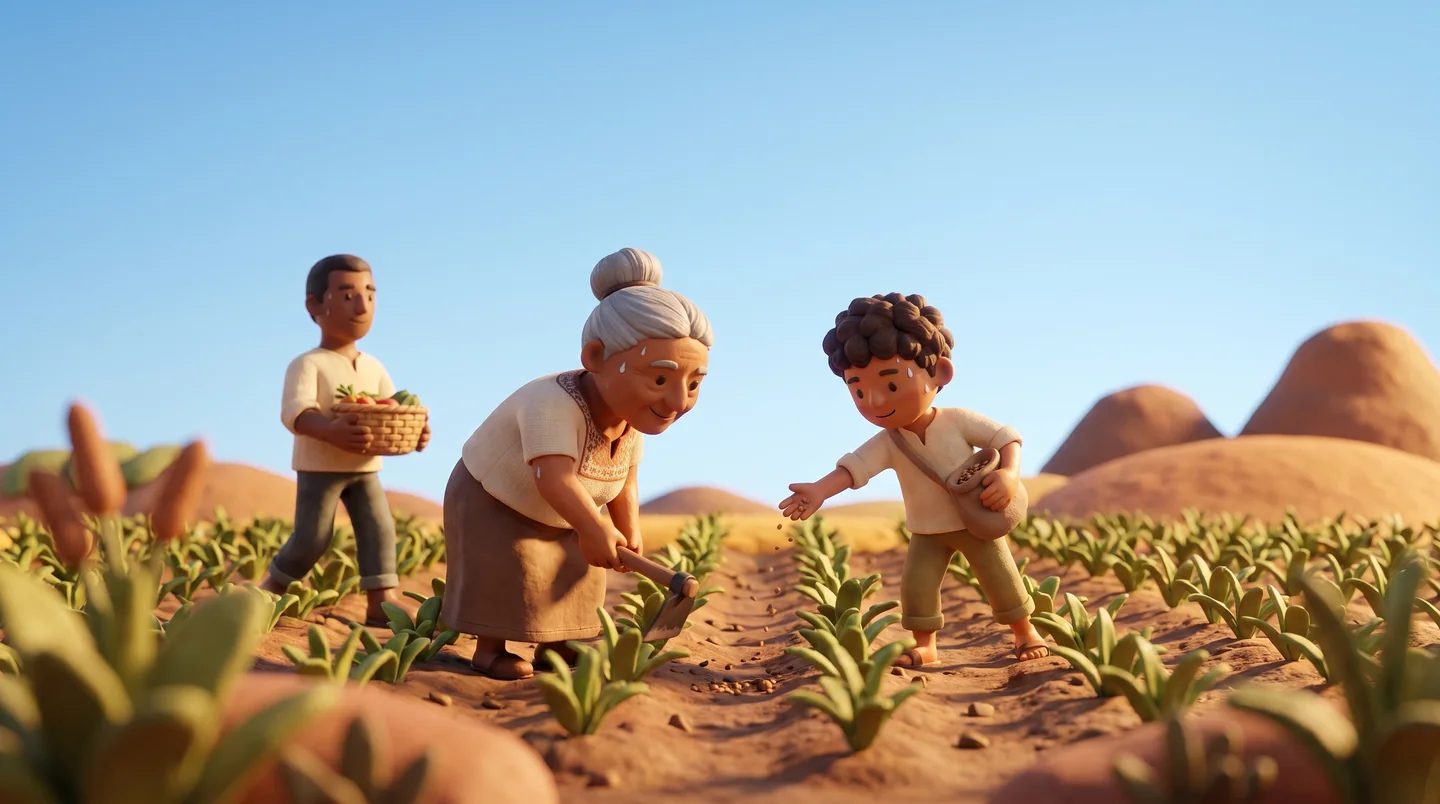
For almost all of history, moving was not exercise: it was walking to the fields, carrying, sowing and playing.
The Industrial Revolution (18th–19th century): Goodbye to Movement
Before this, most of humanity worked the land, hunted or did manual work. Movement was not «exercise», it was survival.
- What changed:The shift from agrarian to industrial and then post-industrial societies moved work out of open spaces and physical tasks and into indoor settings and mental tasks. A «chair and screen» job took hold, with low physical demand and long days sitting down.
- The cost:Structural sedentariness appeared. For the first time in history, human beings began spending 8 or 12 hours sitting or standing in one place, under roofs that hid the sun from us. With machines replacing physical effort, the door opened to chronic sedentariness and many modern diseases such as obesity and cardiovascular risk.
The hidden cost of driving two blocks
Sedentariness did not stop at the office chair: it followed us to the front door. Starting the car or the motorbike to reach the market, the shop or someone who lives ten minutes away is paid for three times over, and none of it shows on the receipt.
- The fuel:Petrol and maintenance for a trip that fitted on foot, repeated several times a week for years.
- The air and the noise:Emissions and noise on your own street: the one your neighbours breathe and where their children play, not a distant chimney.
- The body:Fewer steps and less spontaneous energy expenditure —the kind that happens without meaning to—, which is exactly what keeps metabolism going through the day.
The counterweight: your territory is the place you move
Walking or cycling the short trips, using the trails, parks and pitches nearby, and backing the gyms, studios and classes in your neighbourhood turns your surroundings into the place where you move. You do not need to change your life: you need to stop motorising what already fitted on foot.
A Movement practice
Living, local, functional movement
A trip that was already in your day and two minutes on your feet, so moving stops needing a new slot in your calendar.
Move without an engine
Pick a short trip you would make today by car or motorbike —the market, the shop, someone’s house— and do it on foot or by bike. If you use a wheelchair, crutches or a cane, or you cannot go out today, your own way of getting around counts exactly the same.
Two minutes that count
For every 50 minutes in a chair, stand up and move for two minutes however your body allows: squats, calf raises, hip mobility. Making it longer is good for your body; points count days, not volume.
Recommended ritual
Head out, pause, get sun, get strong and notice
Five steps that fit into an ordinary day. Only the two anchors make the day count; the other three add a lot and are free.
- 1Head out without an engine: the short errand, on foot or by bike, with your legs or your own propulsion.
- 2Two minutes on your feet for every 50 in a chair: squats, calf raises, hip and thoracic mobility.
- 320 to 30 minutes outdoors, on soil, grass or a trail, to get direct sunlight and wake the foot up.
- 4Useful strength and sport with people: calisthenics in the park, carrying the shopping, work in the garden, a neighbourhood match, or the gym, studio or class in your area.
- 5Notice the triple impact next day: vitality in the body, fuel you did not spend and neighbours you actually ran into.
Adapt movement to your capacity, your space and your supports: if you use a wheelchair, crutches or a cane, your way of getting around counts the same. Stop if something does not feel safe and follow guidance from your health professionals.
Near you
Neighbourhood gyms, coaches and classes to move right here. The closest comes first, because the short trip is part of the practice.
Who has it nearby

Hazlo Sano
1. Sueño: Recuperación biológica y descanso optimizado. 2. Alimentación: Nutrición natural y conexión con el origen local. 3. Movimiento: Ejercicio funcional y actividad física constante. 4. Mente y Comunidad: Gestión emocional, propósito y conexión social.
434 publications
Visit the store
Movement
Practiqué Movimiento vivo, local y funcional
Movement and exercisePracticeMovement
I practiced Live, Local, and Functional Movement
Movement and exercisePracticeMovement
Practiqué Movimiento vivo, local y funcional
Movement and exercisePractice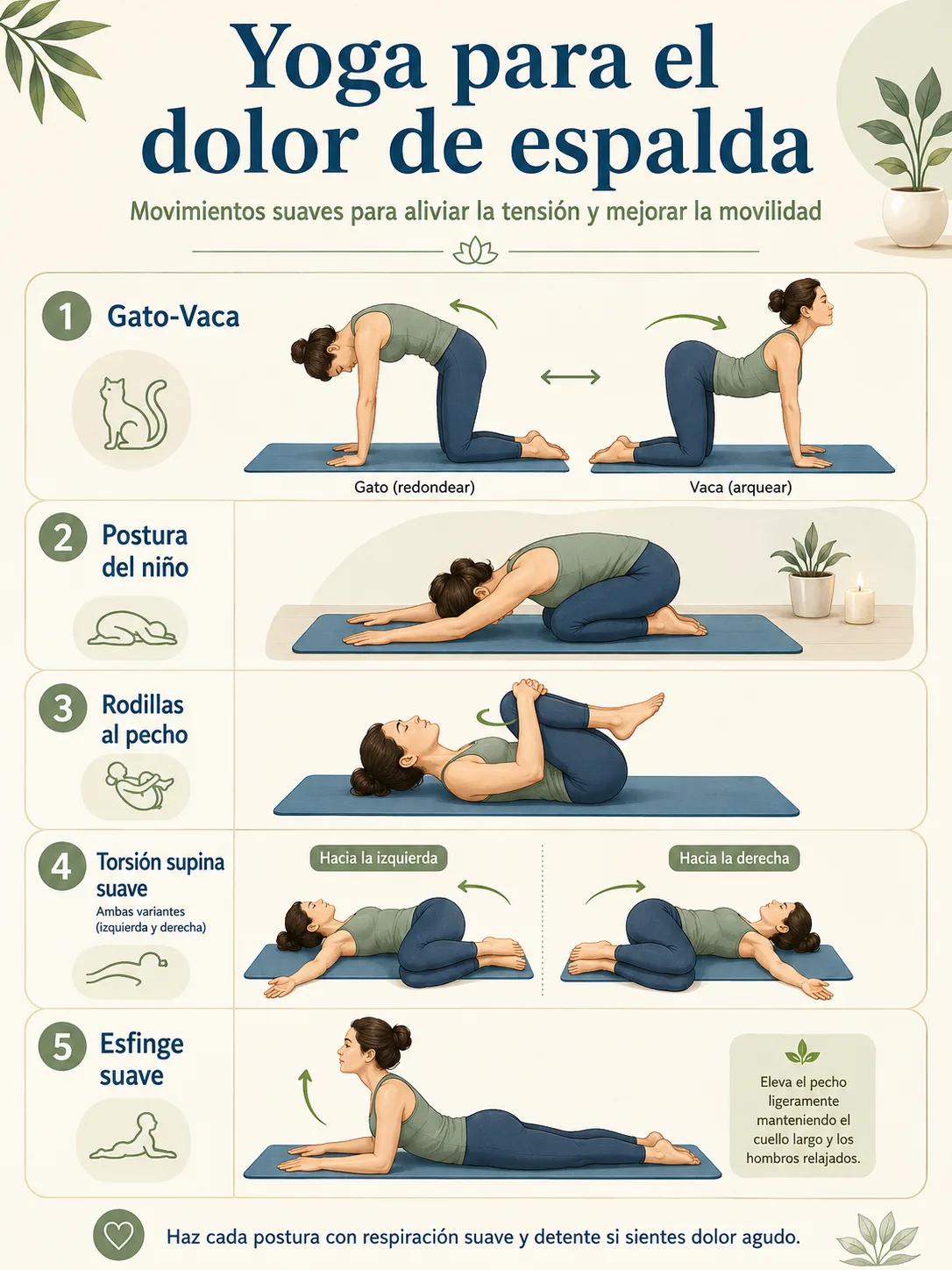
Yoga session for back pain, beginners
Hazlo SanoYoga and stretchingMX$1.00The rhythm of the day
Three frequencies, no counting of sets or kilometres. What decides the outcome is how often you come back, not how much you do in one go.
- Every 50 min
Two minutes on your feet
Squats, calf raises, hip and thoracic mobility. Breaking up the chair wakes up glutes and legs, which have been switched off for nearly an hour, and gets oxygen to your head.
- Every day
20 to 30 minutes outdoors
On soil, grass or a trail. Direct sunlight synchronises the same body clock as Pillar 1, and uneven ground wakes up the foot and your balance.
- Every week
Useful strength and sport with people
Calisthenics in the park, carrying water bottles or the shopping, work in the garden, a neighbourhood match, a group walk —or the gym, studio or class in your area, which are neighbourhood businesses too and count just the same—.
And if you can give it more time, all the better for you: the minimum is a floor, not a ceiling. The one thing that does not change is that points count days and not volume, so nobody has to compete on intensity or distance.
The foot and the ground
The foot has twenty-six bones and more than thirty joints, and it spends the day inside a narrow last on a rigid sole. Giving it work back is what holds your balance up once the ground stops being flat.
What to look for in a functional shoe
- A wide toe box: your toes have to be able to spread and bear weight, not be squeezed into a point.
- A flexible sole: the foot should be able to bend and feel the ground, instead of riding on a rigid platform.
- Zero or low drop: little or no height difference between heel and toe, so the posterior chain does its work.
And what to look for in the ground
Grass, soil, sand and uneven trails force a correction at every step: they strengthen the arch, improve balance and spread out impact. Walking barefoot for a while on grass or clean soil is the simplest version and costs nothing.
Change footwear gradually. A foot used to a rigid sole and a raised heel needs weeks to adapt, and rushing that transition is the most common way to get injured while trying to take care of yourself.
A catalogue of ways to move
What to do, what it does for your body and what it does for your neighbourhood. The four ways the rhythm gets filled.
Proximity and active breaks
- Taking the stairs
- The short trip, under your own power
- Two minutes on your feet every fifty
- In the body and posture
- Keeps fat and glucose metabolism active, relieves tension in the lower back and gets the legs circulating again.
- In the community and the environment
- Zero emissions on short trips, direct savings on fuel and transport, and streets with people running into each other again.
Biomechanics and natural ground
- Footwear that lets the foot work
- Twenty to thirty minutes outdoors
- Walking on uneven ground
- In the body and posture
- Strengthens the arch, improves balance, aligns the spine and spreads impact naturally.
- In the community and the environment
- Gives reasons to look after and preserve local trails, parks and green spaces, and does not depend on disposable plastic gear.
Functional strength and field work
- Useful strength, once a week
- In the body and posture
- Increases bone density, preserves muscle mass, improves grip strength and stabilises the core.
- In the community and the environment
- Uses the infrastructure that already exists, sustains the neighbourhood’s exercise businesses and, with a garden, pushes food sovereignty along.
Endurance and community sport
- Sport with other people
- In the body and posture
- Strengthens the cardiorespiratory system, lowers cortisol levels and releases endorphins.
- In the community and the environment
- Weaves community, reduces isolation, creates belonging and reclaims the public spaces that fall out of use when nobody goes out.
How it connects with the other three pillars
These are not three more tasks. Two of these bridges are the same act you already do, told from the other pillar.
With Sleep: moving by day makes the body ask for night
The day’s activity builds up the sleep pressure that makes you sleepy at dusk, and the outdoor light of your time outside anchors the same clock that opens your morning over there.
Go to the pillarWith Nutrition: the errand on foot is your sourcing
Your engine-free trip to the market is at once this pillar’s anchor and the other one’s nearby sourcing. You do not have to choose between them: it is the same journey.
Go to the pillarWith Mind and Spirit: the same time outdoors
The 20 to 30 minutes on soil or a trail this pillar asks for are the same ones that bring the noise in your head down over there. One is enough for both.
Go to the pillar
This pillar is about pushing back on sedentariness by working physical activity into daily life. It is not limited to the gym, and it does not exclude it either: it covers walking, cycling, playing football, working the land or training at a neighbourhood studio. The aim is for movement to fit back into the day, and for your surroundings —streets, trails, pitches and local businesses— to be where it happens.
References
- Sedentarism and Chronic Health Problems
Korean Journal of Family Medicine · 2024
- Sedentary behaviour as a new behavioural target in the prevention and treatment of type 2 diabetes
Diabetes/Metabolism Research and Reviews · 2016
- The History of Chronic Diseases and Industrial Revolution
Journal of Case Reports and Medical History · 2023
- Urban living and chronic diseases in the presence of economic growth: Evidence from a long-term study in southeastern China
Frontiers in Public Health · 2022
- Sick of sitting
Diabetologia · 2015
- Association of leisure sedentary time with common chronic disease risk factors: A longitudinal study of China Health and Nutrition Surveys
The International Journal of Health Planning and Management · 2020
- Physical activity, exercise, and chronic diseases: A brief review
Sports Medicine and Health Science · 2019
Supports: Sport with other people · Useful strength, once a week
- The Relationship Between Increased Urbanization and the Rise of Chronic Diseases
Journal of Animal Environment · 2025
- Sedentary Behavior and Chronic Disease: Mechanisms and Future Directions
Journal of Physical Activity and Health · 2020
- Sedentary behaviour and health: mapping environmental and social contexts to underpin chronic disease prevention
British Journal of Sports Medicine · 2014
- Associations of sedentary time and physical activity with adverse health conditions: Outcome-wide analyses using isotemporal substitution model
eClinicalMedicine · 2022
- Investigating the role of the built environment, socio-economic status, and lifestyle factors in the prevalence of chronic diseases in Mashhad: PLS-SEM model
Frontiers in Public Health · 2024
- Sedentary Time and Its Association With Risk for Disease Incidence, Mortality, and Hospitalization in Adults
Annals of Internal Medicine · 2015
Supports: Two minutes on your feet every fifty
- Global physical activity levels - Need for intervention
Progress in Cardiovascular Diseases · 2019
Supports: The short trip, under your own power
- Sedentarism, a disease from xxi century
Clínica e Investigación en Arteriosclerosis (English Edition) · 2019
- Too Much Sitting and Chronic Disease Risk: Steps to Move the Science Forward
Annals of Internal Medicine · 2015
- Sedentary Behaviors, Leisure-Time Physical Inactivity, and Chronic Diseases in Brazilian Workers: A Cross Sectional Study
Journal of Physical Activity and Health · 2014
- The Dose-Response Associations of Sedentary Time with Chronic Diseases and the Risk for All-Cause Mortality Affected by Different Health Status: A Systematic Review and Meta-Analysis
The Journal of nutrition, health and aging · 2020 · meta-analysis
- PREVALENCE OF A SEDENTARY LIFESTYLE AS A PREDICTOR OF RISK OF CHRONIC DISEASES AND STRESS LEVELS IN MALANG, INDONESIA
Malaysian Journal of Public Health Medicine · 2023
- Breaking Up Prolonged Sitting Reduces Postprandial Glucose and Insulin Responses
Diabetes Care · 2012
Supports: Living, local, functional movement · Two minutes on your feet every fifty
- Interrupting prolonged sitting with repeated chair stands or short walks reduces postprandial insulinemia in healthy adults
Journal of Applied Physiology · 2021
Supports: Living, local, functional movement · Two minutes on your feet every fifty
- Non-exercise activity thermogenesis (NEAT)
Best Practice & Research Clinical Endocrinology & Metabolism · 2002
Supports: Taking the stairs · The short trip, under your own power
- Associations between light exposure and sleep timing and sleepiness while awake in a sample of UK adults in everyday life
Proceedings of the National Academy of Sciences · 2023
Supports: Anchor the morning with sunlight · Catch the evening light · Twenty to thirty minutes outdoors
- Daily activity in minimal footwear increases foot strength
Scientific Reports · 2021
Supports: Footwear that lets the foot work · Walking on uneven ground
- Effective techniques in healthy eating and physical activity interventions: A meta-regression.
Health Psychology · 2009
Supports: Noticing the triple impact